
In This Article
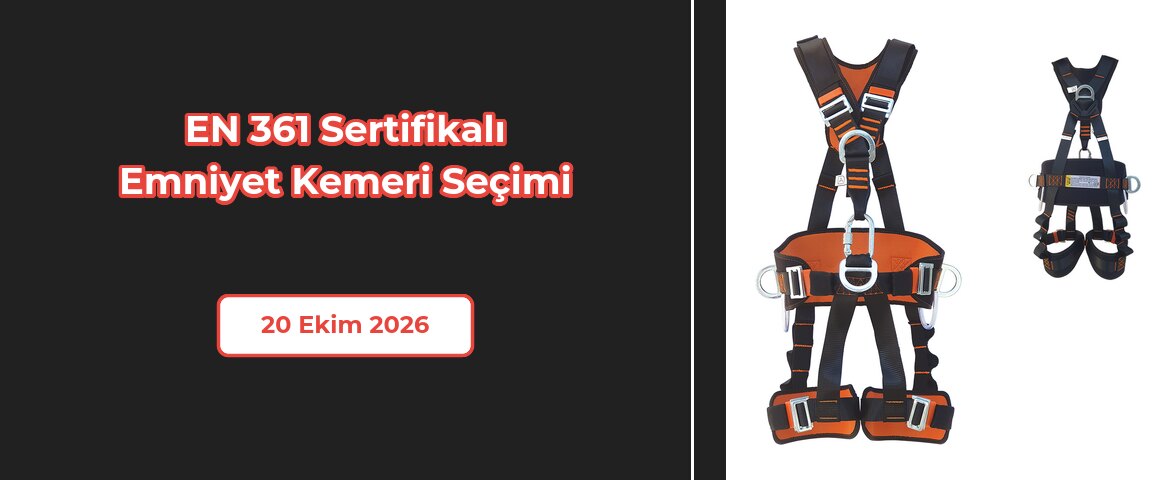
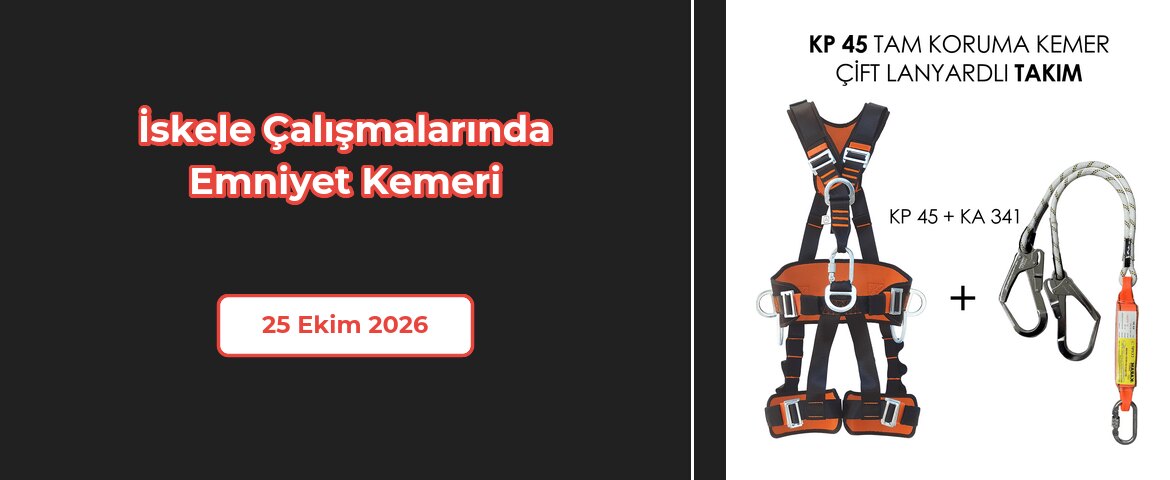
A safety harness on scaffolding is used against the fall risk that remains after collective protection such as guardrails and fully boarded platforms is in place. Correct practice means carrying out a risk assessment, connecting an EN 361 full body harness to a suitable anchor point with a shock-absorbing lanyard, staying connected while moving, checking the fall clearance and preparing a rescue plan.
When is a safety harness needed on scaffolding?
A safety harness is needed on scaffolding when there is a fall risk that cannot be eliminated by collective protection. This risk arises especially during erection and dismantling of the scaffold, in sections where the guardrail has not yet been fitted or has been temporarily removed, and in work that involves reaching out beyond the scaffold.
The general approach to work at height is to eliminate the risk first, then provide collective protection, and use personal protective equipment for the risk that remains. A guardrail, intermediate rail, toe board and a fully boarded platform protect everyone at the same time. A safety harness does not replace these measures; it comes into play where they are not enough. The requirements specific to the site and the task must be set by a risk assessment carried out by competent persons within the framework of the legislation in force.
What should a scaffolding risk assessment look at?
A risk assessment answers three questions for every task on the scaffold: where could someone fall from, what would the falling person hit, and how would they be rescued? The type of harness and lanyard follows from these answers.
The scaffold stage: erection, use, dismantling
The fall risk is highest during erection and dismantling, because guardrails are incomplete. At this stage the crew moves constantly and the connection point changes frequently. During use, on a completed and inspected scaffold, the risk is lower; however, personal protection may still be needed for work that involves reaching beyond the platform.
Working height and obstacles below
The possibility that a falling person hits a lower platform, a scaffold component or the ground directly determines the system to be used. When working on lower lifts, there may not be enough distance for a shock-absorbing lanyard to deploy. This is covered in detail in the fall clearance section below.
Sharp edges and surface contact
Scaffold couplers, tube ends and platform edges are hard surfaces the lanyard may come into contact with. According to Karam's manuals, if the risk analysis carried out before using the product identifies work over a sharp edge, the necessary precautions must be taken. The possibility of the lanyard sliding over an edge during a fall must be taken into account when choosing the leg material and the attachment location.
How do you choose an anchor point on scaffolding?
An anchor point on scaffolding is a point that the scaffold manufacturer or a competent person has confirmed can carry the fall load, located above the user or at least at waist level. According to Karam's manuals, the anchor must comply with EN 795 and provide a strength of at least 12 kN. A connection below waist level can lead to serious injury.
Not every scaffold tube can be used as an anchor. Which components and connection points are suitable for a fall arrest load is determined by the scaffold system's own instructions and the assessment of a competent person. Guardrail tubes may only be used as anchors if they have been confirmed as suitable for this load.
Hook selection becomes important at this point. The gate opening must comfortably grip the tube it connects to and close fully. Karam's range of large double-locking hooks includes a steel hook with a 55 mm opening and aluminium hooks with 63 mm and 110 mm openings. Check that, once closed, the hook is not exposed to side loading or leverage over an edge. If a permanent anchor point is needed outside the scaffold, suitable anchor equipment can be considered separately.
How do you use a double-leg lanyard on scaffolding?
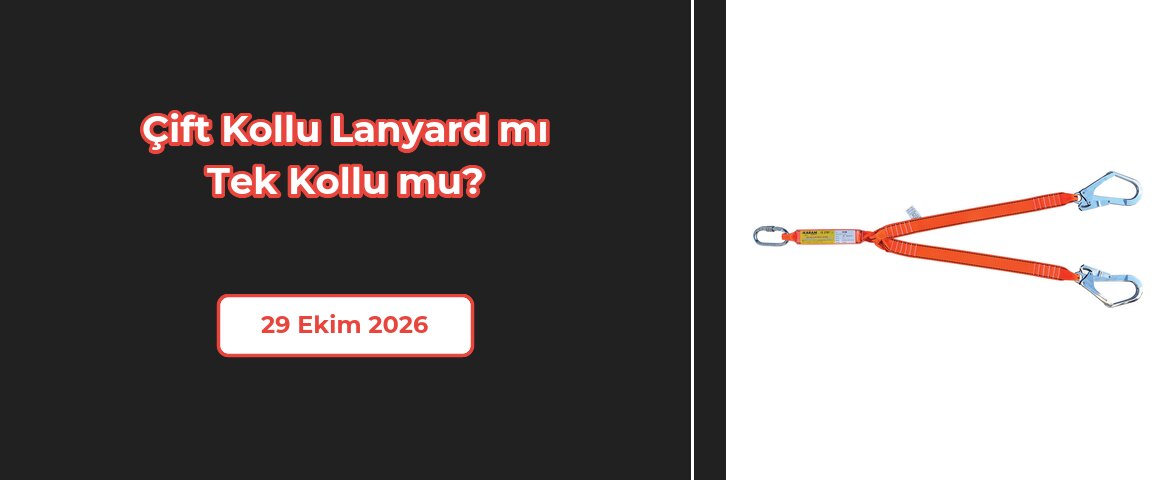
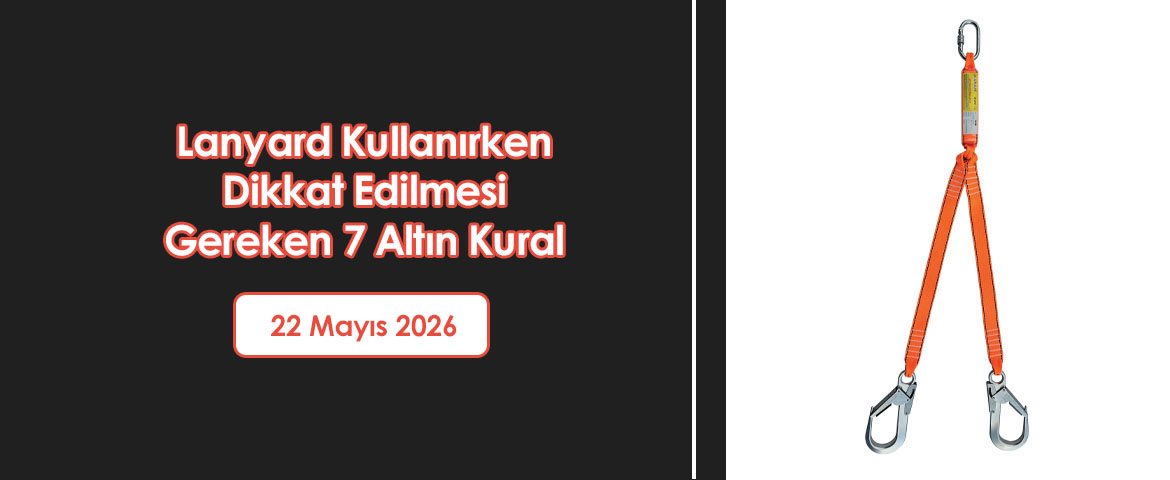
A shock-absorbing double-leg lanyard is used so that the connection is not broken while moving around the scaffold. The correct technique is: attach the free leg to the new anchor point, check that it has locked, and only then release the other leg from the old point. This way the worker is connected by at least one leg at all times.
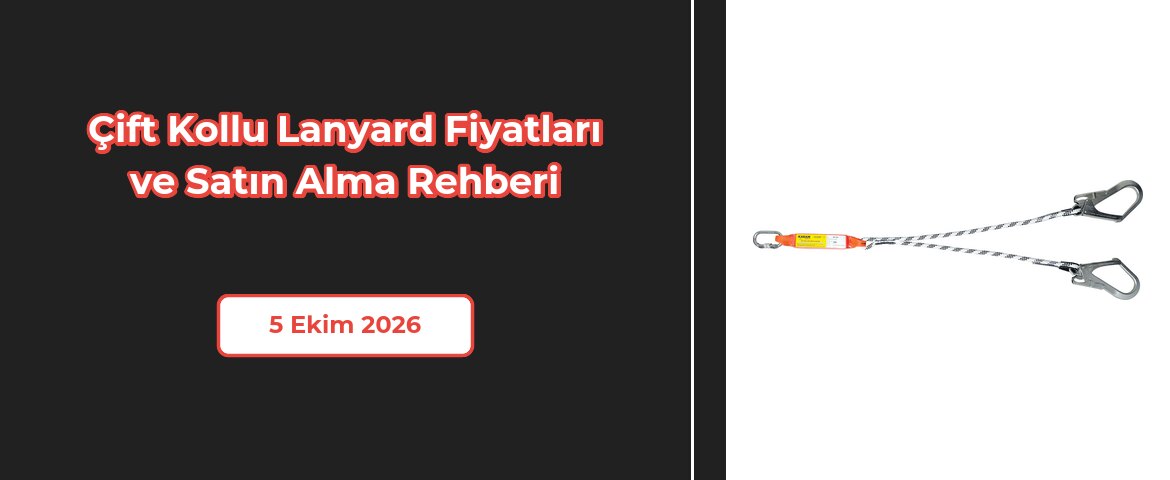
The Karam KA341 manual recommends a shock-absorbing double-leg lanyard for work that is done not at one fixed point but while moving left and right, up and down. This description applies directly to scaffold erection and to work that progresses between standards. The KA341 shock-absorbing double-leg lanyard, with its static rope legs, is one of the options for work where contact with scaffold tubes is frequent.
The same manual also contains two important warnings. First, two separate shock-absorbing lanyards must not be used side by side (in parallel). Second, the free end of the unused leg must not be clipped to the harness's attachment element or a harness ring. How the free leg is carried must follow the figures in the manual.
How do you calculate fall clearance on scaffolding?
Fall clearance is the minimum distance that must be available below the anchor point so that, in a fall, the user does not hit the ground or the first obstacle. In the Karam KA341 manual, this distance is calculated as the sum of four components: lanyard length, the elongation of the deployed shock absorber, the user's height and a safety margin.
| Component | Description | Example value in the KA341 manual |
|---|---|---|
| A | Lanyard length including connectors | 2 m |
| B | Elongation of the deployed shock absorber | 1.75 m |
| C | User's height | 1.5 m |
| D | Safety margin | 1 m |
| Total | Clearance required below the anchor point | 6.25 m |
This example is given for a situation where the anchor is above the user, and it applies only to the KA341. A different lanyard, a different length or a different anchor height changes the result; the value must always be taken from the manual of the product in use. In practice, this means that on the lower levels of a scaffold there may not be enough distance for a shock-absorbing lanyard to deploy. In that case you need to raise the anchor, use a shorter connection, or consider a different system such as restraint or a retractable fall arrester. The choice must be based on a competent person's risk assessment.
Why is a rescue plan part of scaffold work?
A fall arrest system stops the fall, but it leaves the worker suspended. Karam's manuals state that a worker left hanging in a full body harness because of an injury or a health problem must be rescued immediately, and that this requires a rescue plan prepared in advance, trained personnel and rescue equipment. The manuals also warn that hanging motionless in a harness can cause serious injury or death.
The rescue plan must be written before scaffold work starts; it must define who will respond, with what equipment and within what time. Access to the work area, the part of the scaffold from which the rescue will be made, and emergency communication are all part of the plan.
Checklist before starting scaffold work
- Are the guardrail, intermediate rail and toe board in place, and is the platform fully boarded?
- Has a risk assessment been carried out for the task and for the stage of the scaffold?
- Have anchor points been identified and their load-bearing suitability confirmed?
- Have the harness, lanyard and hooks passed their pre-use check?
- Do the hook openings fit the tubes they will connect to?
- Is there enough fall clearance at the working level?
- Are the rescue plan, rescue equipment and the person responsible ready?
This list does not replace the assessment that a competent person on site will make; it is a reminder of the basic steps that can be missed before work begins. We have collected the most common mistakes seen on site in our article on the most common safety harness mistakes made by people working at height.
Related guides: single-leg or double-leg lanyard? · harness and lanyard kits for scaffolding crews · choosing a harness by type of work · choosing a lanyard by hook type
Frequently Asked Questions
Where should a harness lanyard be attached on scaffolding?
The harness end of the lanyard is attached to the harness's back or chest fall arrest point marked "A". The anchor end is attached to a point that the scaffold manufacturer or a competent person has confirmed is suitable for the fall load, located above the user or at least at waist level. The side rings of the harness are not used for this connection.
Is a safety harness enough during scaffold erection?
It should not be considered enough on its own. Erection and dismantling are the riskiest stages, when guardrails are incomplete. At this stage the safety harness is used against the remaining risk; the erection sequence, collective protection measures and the rescue plan must be planned together with the risk assessment.
Can a shock-absorbing lanyard be used on the lower lifts of a scaffold?
To use one, there must be enough fall clearance below the anchor. In the example in the Karam KA341 manual, this distance is 6.25 metres. If the clearance is insufficient, you need to raise the anchor, use a shorter connection or use a different system. The decision must be based on the manual of the product used and the assessment of a competent person.
How often should a harness used for scaffold work be inspected?
The user checks it before every use. According to Karam's manuals, a detailed examination must also be carried out at least every 12 months by the manufacturer or a competent person it has authorised. A harness and lanyard that have arrested a fall are withdrawn from use.
The right equipment for your scaffolding crew
On scaffolding, a safety harness protects as a complement to collective protection, together with the right anchor, an uninterrupted connection technique and a calculated fall clearance. Every link in this chain must be planned before work begins.
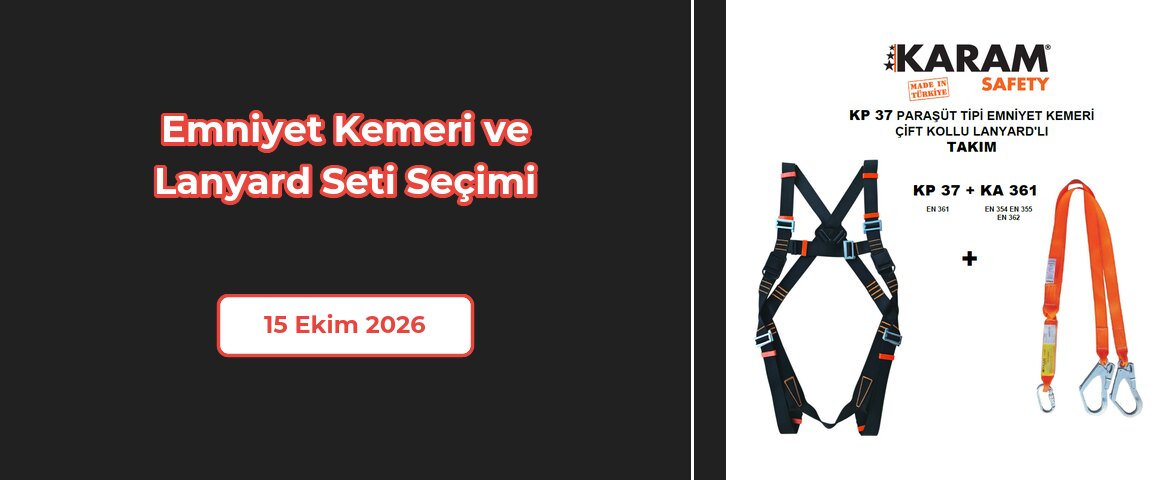
You can browse suitable Karam harness, double-leg lanyard and hook combinations for your scaffold erection or facade crew among our safety harness models, and contact us on WhatsApp for a quotation based on the size of your crew.
Let our team recommend the best equipment for your needs and quote you quickly.